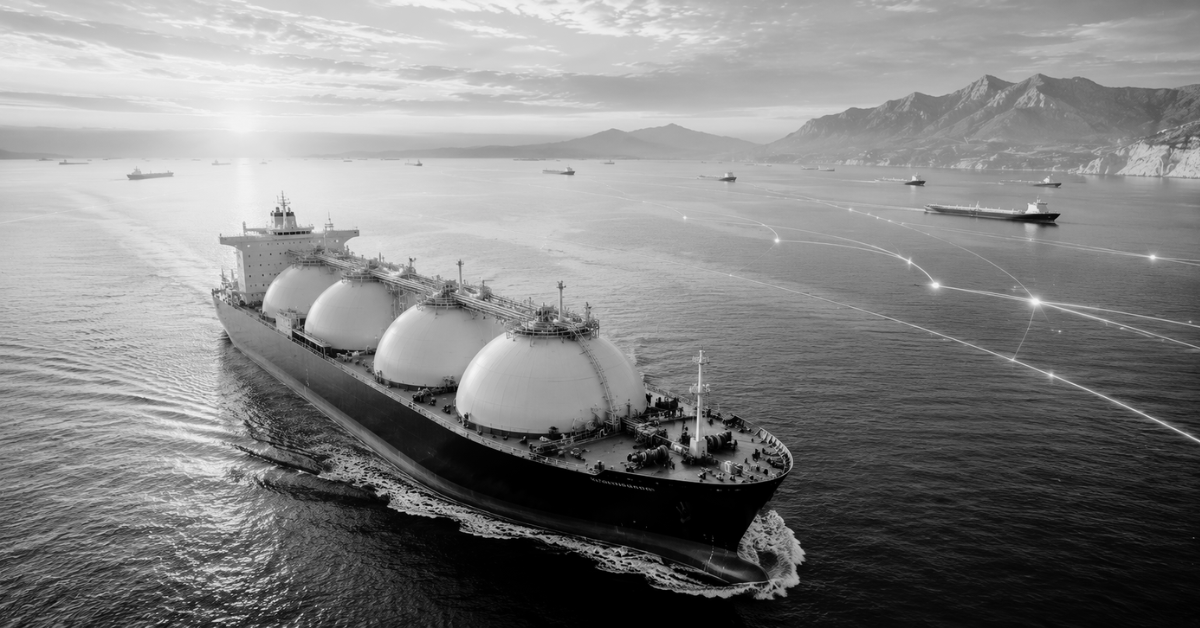
LNG Carrier Disha Moves Toward Strategic Waterway
A liquefied natural gas (LNG) tanker chartered by an Indian state owned importer is emerging as one of the first vessels to test the reopening of the Strait of Hormuz after the United States and Iran announced a breakthrough agreement aimed at restoring maritime traffic through the crucial energy corridor.
According to ship-tracking data compiled by Bloomberg, the LNG carrier Disha is heading toward the eastern channel of Hormuz and the Gulf of Oman after remaining trapped in the Persian Gulf for more than three months.
The vessel had loaded its cargo from Ras Laffan Industrial City around March 1 before escalating geopolitical tensions effectively halted normal shipping movements through the region.
Its movement is being closely monitored by global energy traders, shipping companies and commodity markets as a potential signal that commercial traffic may gradually resume through one of the world’s most important maritime chokepoints.
Hormuz Reopening Could Restore Global Energy Flows
The Strait of Hormuz serves as a critical transit route for global oil and LNG shipments, connecting producers in the Middle East with markets across Asia, Europe and beyond.
The waterway has remained largely inaccessible since military tensions intensified following US and Israeli strikes earlier this year, disrupting energy supply chains and driving volatility across global commodity markets.
According to Donald Trump, the strait is expected to reopen once a formal agreement between the parties is signed later this week.
A successful reopening would provide significant relief to energy importers, shipping operators and commodity markets that have been grappling with supply uncertainties for months.
Shipping Industry Remains Cautious
Despite growing optimism, shipowners and logistics operators remain cautious as details of the agreement are still being assessed.
Industry participants are awaiting clarity on security arrangements, operational procedures and enforcement mechanisms before fully resuming transit through the corridor.
As a result, shipping activity around the strait remains limited, with many vessels continuing to wait near anchorages off Dubai and in the Gulf of Oman.
These vessel clusters could become key indicators of market sentiment in the coming days, as traders monitor whether ships begin crossing into the waterway in larger numbers.
Analysts note that Iran’s strategic influence over the region means any agreement will likely face implementation challenges despite positive diplomatic developments.
Monitoring Vessel Movements Becomes More Difficult
Tracking shipping activity in the region has also become increasingly complex due to the growing use of vessel-location spoofing and transponder shutdowns.
Maritime experts say several ships operating near the Strait of Hormuz have stopped transmitting location data for extended periods, making real-time monitoring more difficult.
Even visible fleets anchored near the corridor may not provide a complete picture of actual traffic conditions.
This uncertainty has increased reliance on satellite monitoring, intelligence reports and commercial ship-tracking services to assess developments on the ground.
Energy Markets React Positively
Financial markets responded quickly to signs that LNG and crude oil shipments could soon resume through the strategic route.
European natural gas prices declined by as much as 5.8% during early Asian trading, reflecting expectations of improved LNG supply availability.
The restoration of shipping traffic through Hormuz could help ease the supply crunch that has supported elevated gas prices across Europe and Asia since March.
Oil markets also reacted positively, with Brent Crude falling nearly 5% at the start of trading as concerns over supply disruptions began to ease.
For major energy importers such as India, a sustained reopening of the Strait of Hormuz would be particularly significant, helping improve supply security and reduce pressure on energy costs.