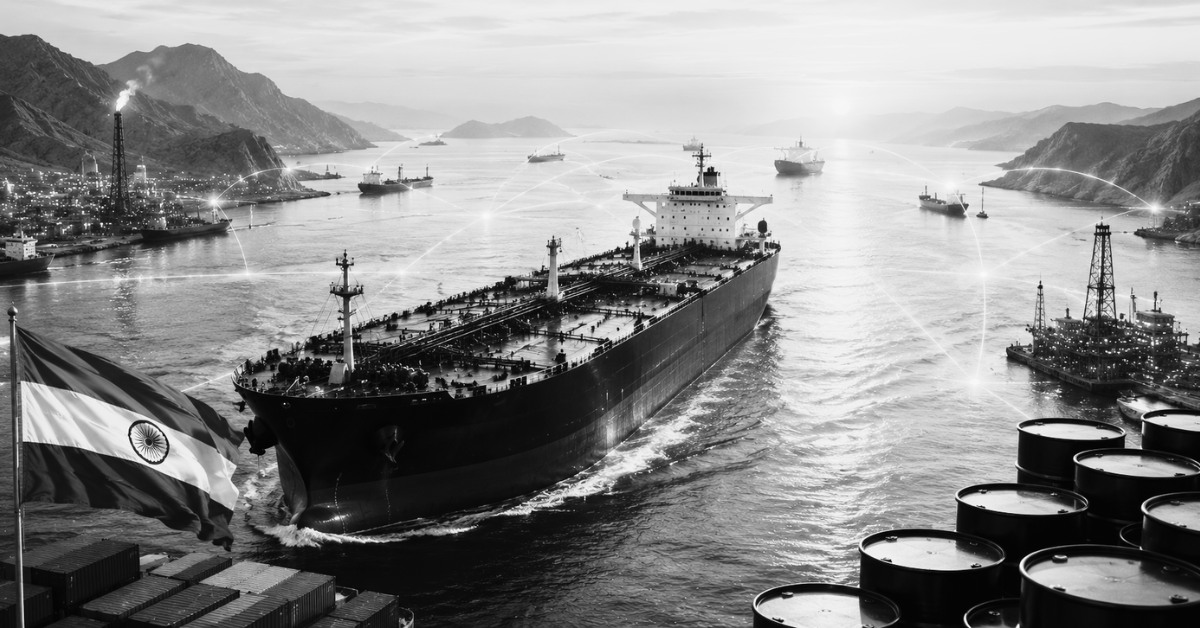
Government Prepares Oil Tankers To Restore West Asia Energy Supplies
India is preparing to resume oil imports through the Strait of Hormuz as tensions linked to the Iran conflict begin to ease, marking a significant step toward restoring energy supplies from West Asia.
According to people familiar with the matter, plans have been finalized to send Indian vessels through the strategically important waterway to load crude oil and other energy cargoes. The shipments will begin once the government grants final approval.
The move would represent India’s first major attempt to restart tanker operations through the Strait of Hormuz since the conflict disrupted shipping routes earlier this year, triggering supply concerns and higher energy costs across global markets.
Shipping Corporation Of India Ready For Operations
State-owned Shipping Corporation of India (SCI) is reportedly prepared to resume operations in the Persian Gulf once it receives clearance from the Indian Navy and commercial commitments from domestic oil refiners.
The Strait of Hormuz handles nearly 20% of global oil shipments and remains one of the world’s most critical energy chokepoints. Shipping activity through the route has been severely impacted since the Iran conflict escalated, creating uncertainty for major crude importing nations, including India.
While some non-Iranian oil shipments have continued to move through the waterway, overall flows remain significantly below pre-war levels.
India Continues To Depend On West Asia Oil
Despite increasing purchases from Russia and other suppliers, India remains heavily dependent on crude imports from West Asia.
Industry sources indicate that alternative supplies involve longer transit times and higher transportation costs, making Gulf producers the preferred option for Indian refiners.
The resumption of shipments through Hormuz could therefore help lower logistical costs and improve supply reliability for the country.
Diplomatic efforts are also continuing. External Affairs Minister Subrahmanyam Jaishankar recently met Iranian Foreign Minister Abbas Araghchi in New Delhi on the sidelines of the BRICS summit, highlighting ongoing engagement with key stakeholders in the region.
Navy Strengthens Security Presence
To safeguard energy supplies and shipping routes, the Indian Navy has expanded its presence near the Strait of Hormuz.
Sources said the Navy has doubled the number of warships deployed in the region and intensified aerial surveillance operations. Indian naval vessels are also escorting Indian flagged ships and vessels carrying cargoes destined for India after they exit the high-risk zone.
The government has additionally launched a marine insurance programme designed to provide uninterrupted coverage for Indian ships and cargoes operating in sensitive waters.
Relief For India’s Economy
The prolonged disruption of oil supplies has put pressure on India’s economy, contributing to higher import bills and increased volatility in energy markets.
Prime Minister Narendra Modi has repeatedly urged citizens to conserve fuel and foreign exchange as crude prices and shipping costs surged during the conflict.
A successful reopening of Hormuz bound shipments could help stabilize crude supplies, improve energy security, and reduce pressure on fuel costs in the coming months.
For India, the return of tanker traffic through the Strait of Hormuz would represent more than a logistical achievement it could become a crucial step toward restoring stability to one of the country’s most important energy supply routes.